

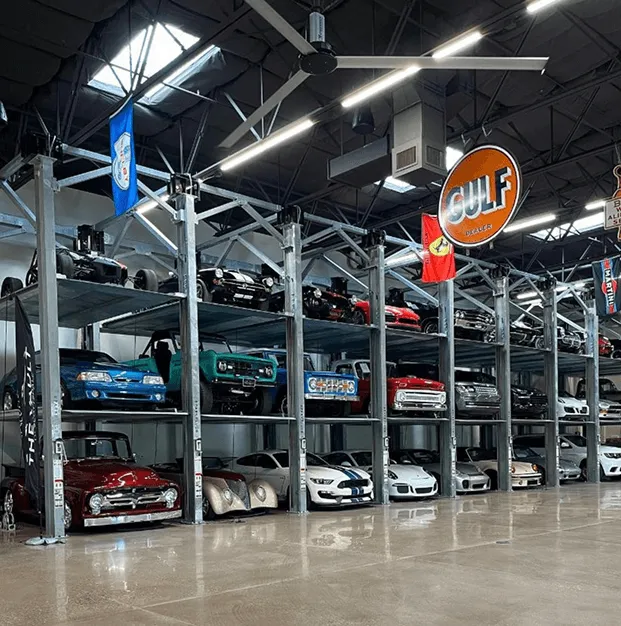
If you are searching for climate controlled storage in Florida, you are asking exactly the right question — but the answer is more nuanced than most storage companies admit. Florida’s environment is aggressive. The combination of extreme UV, high humidity, salt air, and summer heat creates conditions that are genuinely hard on stored vehicles. But “climate controlled” is not a single standard, and for many boats, RVs, and everyday vehicles in Southwest Florida, a properly covered and ventilated storage space does more practical work than a sealed, air-conditioned room ever would.
This guide breaks down all three storage types, explains what SWFL’s climate actually does to a parked vehicle, and helps you match your vehicle to the right solution — including what’s available right here in Naples.
The Three Types of Vehicle Storage: Outdoor, Covered, and Climate-Controlled
Before comparing options, it helps to define what each type actually delivers.
| Storage Type | Weather Protection | Typical Cost Direction | Best For |
|---|---|---|---|
| Outdoor | None beyond a fence/gate | Lowest | Vehicles used frequently; durable work trailers; short-term parking |
| Covered | Roof canopy + side protection; blocks direct sun and rain | Mid-range | RVs, boats, and daily-use vehicles needing UV + weather protection |
| Climate-Controlled | Enclosed, conditioned air (AC + dehumidification) | Highest | Collector cars, sensitive electronics, leather interiors, vintage/classic vehicles |
Outdoor and covered storage are common across Southwest Florida. True climate-controlled vehicle storage — enclosed units with maintained temperature and humidity — is more commonly found in specialized collector-car facilities or private garage condos, and it comes at a significantly higher cost.
At The Hideout Storage Park in Naples, the options are outdoor storage and covered storage, plus private deeded Elite Storage Condos. Understanding what SWFL’s climate genuinely demands makes it clear why covered storage is the practical solution for the overwhelming majority of stored vehicles.
What Florida’s Climate Does to a Stored Vehicle
Southwest Florida is not a mild climate. Four environmental forces combine to create real risk for any vehicle left unprotected.
Intense UV and Solar Heat
Naples sits at roughly 26° North latitude. The UV index regularly climbs to 10 or 11 during summer — classified as “extreme” by the World Health Organization — and stays elevated well into fall. Research into Florida sun damage documents that oxidation can begin appearing on unprotected paint within two to three years of purchase in South Florida, far faster than the five-to-seven-year timeline typical in cooler states. Prolonged direct sun exposure also degrades rubber seals, vinyl, and plastic components, causes dashboard cracking, and accelerates battery discharge.
Direct sun is the enemy that a good roof canopy stops cold.
High Humidity
Naples’ relative humidity ranges from roughly 62% in spring to as high as 79–80% in September, based on weather data compiled from NOAA averages. That persistent moisture promotes mildew on upholstery, marine canvas, and RV interiors; accelerates surface corrosion; and can fog electrical connectors over time.
Importantly, a sealed, unventilated space does not automatically solve a humidity problem. Trapping humid air inside a closed unit can concentrate moisture and create ideal conditions for mildew. Covered storage that allows airflow while blocking rain often performs better for large vehicles like RVs and boats than a sealed enclosure without proper HVAC.
Salt Air
Anywhere near the Gulf Coast — and Naples sits right on it — microscopic sodium chloride particles travel miles inland. According to detailing research on Florida vehicle environments, salt crystals dissolve in humid air to form an active corrosive film that works continuously on paint, metal, and rubber. A covered structure that shields vehicles from direct salt-laden rain and mist provides meaningful protection.
Seasonal Weather and Hurricane Season
Southwest Florida’s wet season runs May through October, with heavy afternoon thunderstorms a near-daily occurrence. Hurricane season peaks between August and October. Covered storage protects against hail, wind-driven rain, and falling debris — risks that outdoor storage leaves unchecked. See our post on hurricane boat storage in Naples and Marco Island [VERIFY URL — publishing together] for guidance specific to storm season preparation.
Do You Actually Need Climate-Controlled Storage in Florida?
The honest answer: it depends entirely on what you are storing.
Climate-controlled storage is the right call when:
- You are storing a collector car, classic, or exotic vehicle that you want to maintain in show or investment-grade condition. For climate controlled car storage at this level, the priority is maintaining a consistent temperature band (typically 55–75°F) and keeping relative humidity below 50% to prevent condensation on bare metal components, interior wood trim, and leather.
- The vehicle has sensitive electronics — custom audio systems, infotainment screens, or aftermarket instrumentation that degrades in heat above 120–130°F (temperatures an enclosed vehicle cabin can reach in direct Florida sun).
- You are storing leather interiors that crack under prolonged UV and heat cycling.
- You are storing non-vehicle items alongside the vehicle: furniture, documents, artwork, or any material that requires a controlled environment.
The Hideout offers long-term car storage for collector and specialty vehicles, with indoor car storage listed as coming soon. [VERIFY: current availability of enclosed/indoor car storage at the Naples facility.]
For climate controlled rv storage near me searches, here is what most RV owners actually need:
Climate-controlled RV storage is marketed heavily, but a full-size Class A or Class C motorhome rarely benefits from sealed air conditioning the way a collector car does. RVs are large, complex vehicles with their own interior HVAC systems, vented tanks, and proprietary materials. What they genuinely need is protection from direct sun (which degrades fiberglass, rubber roof membranes, and slide-out seals) and rain that can find its way into weak seals. Covered storage with a canopy roof delivers exactly that, at a fraction of the cost of a climate-controlled bay — and it lets the vehicle breathe rather than trapping moisture inside.
The same logic applies to climate controlled boat storage. Unless a vessel has particularly delicate electronics or you are storing it for an extended off-season, a covered slip or covered land storage protects the hull, upholstery, and canvas from the elements that matter most: sun and rain. A sealed, air-conditioned unit is not inherently better for a boat unless you have a specific humidity-sensitive concern.
For most RV and boat owners in Collier County, covered storage is the practical, cost-effective answer.
Vehicle Storage in Naples, FL: What The Hideout Offers
The Hideout Storage Park at 195 Basik Dr., Naples, FL 34114 is purpose-built for RV, boat, and vehicle storage. Unlike a traditional self-storage company, The Hideout focuses entirely on vehicle storage, with a layout and infrastructure designed for large units.
Outdoor Storage — $175–$230/month
Outdoor storage at The Hideout is gated and secured with AI-monitored cameras and 24/7 mobile gate access. Wide drive aisles accommodate large RVs and trailers, and there are no long-term contracts. This is the right fit for vehicles you use frequently and pull in and out regularly — particularly if they are already weather-treated or wrapped.
Covered Storage — $386–$572/month
Covered storage is the Hideout’s flagship product for protection-minded owners. Canopy structures block Southwest Florida’s intense direct sun and seasonal rain, dramatically slowing the UV oxidation, rubber degradation, and heat cycling that cause the most common long-term damage. Spaces include 30-amp electrical hookups, which allow owners to run a dehumidifier, battery tender, or trickle charger — directly addressing the humidity and battery concerns that matter most in a Florida storage environment.
For most RV and boat owners in Naples, Marco Island, Bonita Springs, and across Collier County, covered storage is the solution that matches the actual risk profile of SWFL vehicle storage. Browse the full storage options overview to compare sizes and availability.
Elite Storage Condos — Deeded Private Units
For owners who want the highest level of security and privacy, The Hideout’s Elite Storage Condos are private, deeded units — real property you own. These enclosed spaces provide the closest experience to a personal garage, with the security of The Hideout’s gated facility and AI camera network. [VERIFY: do any Elite Condos offer climate control or electricity for owner-added AC?] The covered storage condo option bridges the two products for owners who want deeded ownership with canopy protection.
If you are storing a collector car or a vehicle with climate-sensitive requirements, an Elite Condo with an owner-installed portable AC or dehumidifier unit may come closer to a true climate-controlled environment than any other option on the Naples market. This is a question worth asking The Hideout directly.
Frequently Asked Questions
Do you need climate-controlled storage in Florida?
Not for every vehicle. For RVs, boats, and everyday vehicles, the biggest threats in Southwest Florida are direct UV exposure, rain, and salt air — all of which covered storage addresses effectively. True climate-controlled storage (sealed, air-conditioned) becomes the right call for collector cars, vintage vehicles, sensitive electronics, and situations where strict humidity control below 50% is required.
Is covered storage enough for an RV in Florida?
For most RV owners, yes. Covered storage protects fiberglass roofs, rubber membranes, slide-out seals, and exterior paint from the UV and rain damage that shortens RV life in Southwest Florida. At The Hideout, covered storage includes 30-amp hookups so you can run a battery tender or portable dehumidifier inside the coach — the same level of humidity management a climate-controlled bay would provide, at a lower cost.
Is climate-controlled boat storage necessary in Southwest Florida?
For most recreational boats, covered storage is sufficient. The hull, upholstery, and canvas need protection from sun and rain; a sealed climate-controlled unit is typically overkill unless the boat has high-value electronics or is stored for an extended off-season period. Learn more about protecting your vessel through hurricane boat storage options in Naples and Marco Island [VERIFY URL — publishing together].
What is the difference between outdoor and covered storage in Florida?
Outdoor storage is open-air, fenced/gated space with no roof protection. Covered storage adds a canopy or enclosed roof structure that blocks direct sun, rain, and debris. In Florida, that distinction is significant: direct sun is the primary driver of paint oxidation, rubber degradation, and interior heat damage. See The Hideout’s outdoor storage and covered storage pages for a side-by-side look at what each includes.
Does The Hideout offer car storage in Naples?
Yes. The Hideout offers dedicated car storage for everyday and specialty vehicles, with long-term car storage available for collectors and seasonal residents. Indoor car storage is listed as coming soon. Owners looking for the maximum protection level should ask about Elite Condo availability.
Ready to Store Your Vehicle the Right Way?
Florida’s climate does not forgive neglect — but it also does not demand the most expensive solution for every situation. The Hideout Storage Park gives Naples-area owners honest choices: affordable outdoor storage for vehicles that need secure parking, canopy-protected covered storage with 30-amp hookups for boats and RVs, and private Elite Storage Condos for owners who want the closest thing to a personal garage.
We serve Naples, Marco Island, Bonita Springs, and Collier County. Visit our service areas page to confirm we cover your area, or reach out today to discuss your storage needs.
Call us at (239) 213-8029 or contact The Hideout online.
