

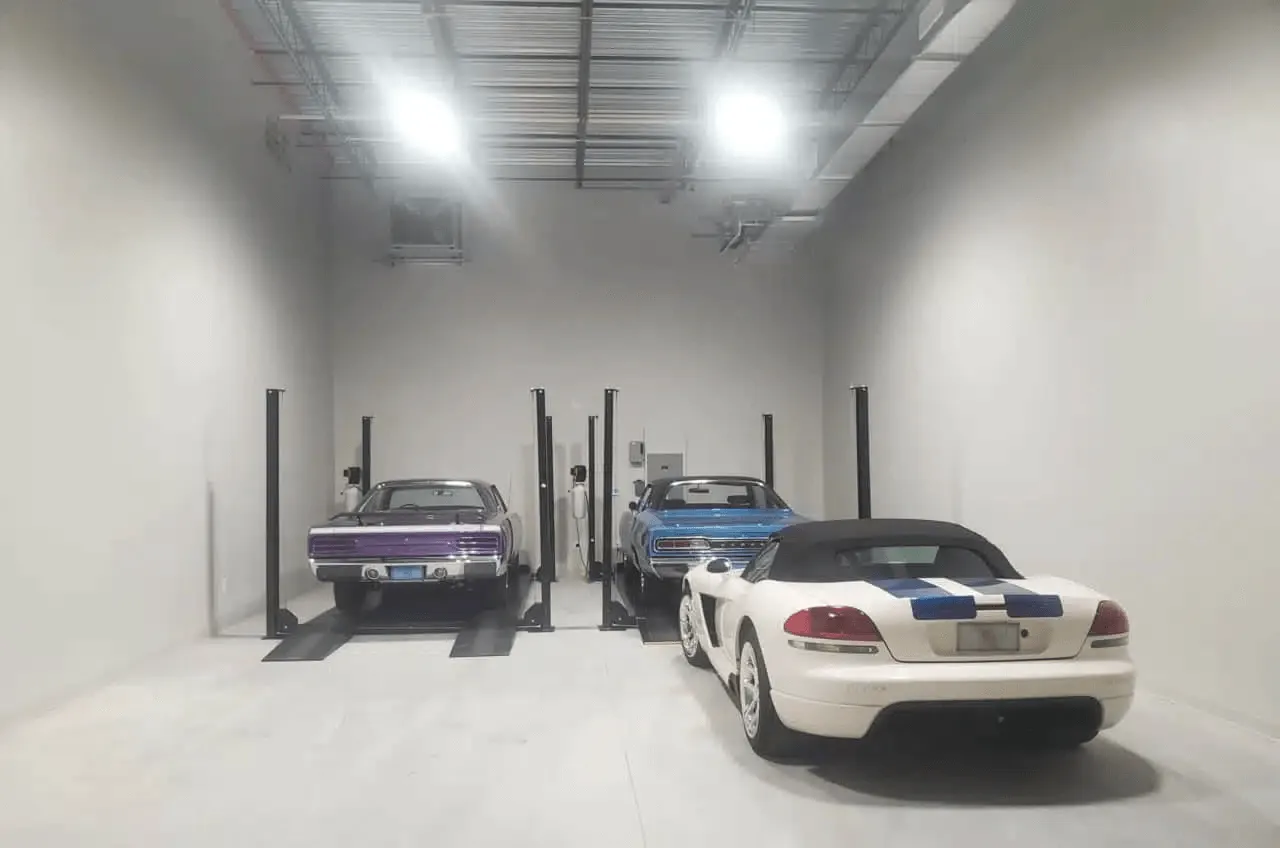
TL;DR: A healthy modern car can sit two to four weeks with no preparation at all. Past about a month the battery becomes the limiting factor, and past three months tires, fuel, brakes and seals all start working against you. In Florida, heat and humidity shorten every one of those windows. If the car is going to sit for a season, prepare it properly and park it somewhere enclosed, such as our long-term car storage in Naples.
This question usually arrives for one of three reasons. You are flying north for the summer, you bought a second car you only drive occasionally, or a car has already been sitting and you are wondering what you are about to find. The answer is different in each case, and it is different again in Southwest Florida than it is in Ohio.
How long can a car sit without being driven before there is a problem?
Two to four weeks is safe for almost any car in good condition with a healthy battery. One to three months is fine if you prepared the car first. Beyond three months, a car left unprepared will usually need at least a jump start, and often new tires and a fuel system flush as well. Nothing breaks on a schedule, but those are the honest windows.
What actually drives the timeline is that a parked car is not resting. The battery keeps draining, fluids keep settling, rubber keeps aging, and moisture keeps finding its way in. The car is losing condition the entire time, just slowly. Preparation does not stop that, it slows it down enough that the windows stretch from weeks into months.
Can a car battery die from sitting too long?
Yes, and it is the first thing to fail. A modern car draws a small current constantly to keep the alarm, keyless entry and computer memory alive, so a battery that is not being recharged will typically go flat somewhere between two and eight weeks depending on its age and the car’s parasitic draw. A battery left fully flat for weeks can also be permanently damaged rather than just discharged.
A car battery can go bad from sitting too long in two separate ways, and it is worth knowing which one you are dealing with. A battery that is merely discharged will recover on a charger. A battery that has sat flat through a Florida summer has usually sulfated internally and will not hold a charge again no matter how long you leave it on the charger.
The fix is cheap and boring: a battery tender. It is a small trickle charger that keeps the battery topped up without overcharging it. This is one of the reasons our covered bays include 30 amp electric, and why a powered storage bay is worth more than it looks on the quote.
What happens if you don’t drive a car for three months?
At three months you should expect a flat or weak battery, flat spots developing on the tires, tire pressure noticeably down, a light surface film of rust on the brake rotors, and fuel that has begun to degrade. None of these are catastrophic on their own, and all of them are avoidable with an afternoon of preparation before you walk away.
The one to take seriously in Florida is moisture. A car sitting through a humid summer with the windows up and no air movement grows mold on upholstery, headliners and seat belts, and that is a far more expensive problem than a battery. It is the single strongest argument for climate-controlled storage over a driveway or a carport.
Why does Florida shorten all of these windows?
Heat and humidity accelerate everything on the list. The National Weather Service notes that inside a parked vehicle a dark dashboard or car seat can quickly reach temperatures in the range of 180°F to over 200°F, and that leaving the windows slightly open does not significantly decrease the heating rate.
That is a daily cycle, not a one-off. Dashboards crack, adhesives let go, rubber seals harden, and plastics go brittle. Add salt air near the coast and constant humidity, and a car parked outside in Naples ages faster standing still than the same car does being driven in a milder climate. We wrote more about that effect in the Florida sun and The Hideout Storage Park.
This is why the enclosed option matters here more than it does elsewhere. The Hideout’s long-term car storage is fully enclosed and air-conditioned, which is true climate control rather than shade or vented storage. If you want the comparison across all three storage types, our guide to climate-controlled, covered and outdoor storage lays it out.
How do you prepare a car that will sit for a season?
Work through it in one session before you leave. Fill the fuel tank to limit condensation in the tank and add a fuel stabilizer. Change the oil, because used oil is acidic and you do not want it sitting in the engine for six months. Inflate the tires to the pressure on the door placard, or slightly above, to reduce flat spotting. Wash and dry the car, including the underside, so salt and organic matter are not sitting on the paint.
Then leave the parking brake off and chock the wheels instead, so the pads do not seize to the rotors. Put the battery on a tender if you have power, or disconnect the negative terminal if you do not. Leave a couple of moisture absorbers inside the cabin. Do not cover a car with a plastic tarp, which traps moisture against the paint and does more harm than leaving it uncovered.
Our snowbird vehicle storage guide covers the seasonal version of this routine, and if you are pricing the options, see car storage costs in Naples.
How do you start a car that has been sitting for months?
Do not just turn the key. Check the tire pressures, look underneath for fluid leaks and for rodent damage to wiring, check the oil and coolant levels, then charge the battery properly rather than jump starting it if you can. Turn the ignition to on for a few seconds before cranking so the fuel pump can prime.
Once it starts, let it idle and watch the temperature and oil pressure before you move. Drive gently for the first few miles and expect the brakes to feel rough until the surface rust wears off the rotors. If the car has sat more than a year, have the brake fluid and tires inspected before you take it on the interstate. Fuel more than a year old should be drained rather than driven through the engine.
The short version
Two weeks is nothing. A month needs a battery tender. A season needs real preparation and, in Florida, somewhere enclosed to sit. The cost of doing it properly is far below the cost of a mold remediation, a set of flat-spotted tires and a fuel system flush.
The Hideout Storage Park is at 195 Basik Dr. in Naples, with 24/7 access through the mobile gate app, gated entry, AI-powered security cameras and wide drive aisles, serving Naples, Marco Island and Bonita Springs.
Frequently asked questions
Can I leave my car for three months without driving it?
Yes, if you prepare it. Fill and stabilise the fuel, change the oil, inflate the tires, leave the parking brake off, and keep the battery on a tender. Without that preparation, expect a flat battery and a car that needs attention before it is roadworthy again.
Can a car be driven after sitting for two years?
Not straight away. After two years the fuel should be drained, the brake fluid and coolant tested, the tires inspected for cracking regardless of tread depth, and the wiring checked for rodent damage. Have it looked at before the first drive rather than after.
How long can a car sit before it starts having problems?
The battery is usually the first thing to go, often between two and eight weeks. Tire flat spots and fuel degradation follow at around three months. Seal and rubber deterioration is a matter of years, and is faster in Florida heat.
My car battery died from sitting too long. Will charging fix it?
Sometimes. If it went flat recently, a proper charger will usually recover it. If it has been flat for weeks in Florida heat, it has probably sulfated internally and will not hold a charge again. Have it load tested rather than guessing.
Does starting the car once a week help?
Less than people think. A brief idle in the driveway does not fully recharge the battery or get the engine hot enough to burn off condensation, and it puts fresh fuel through a cold engine. A battery tender plus a proper drive every few weeks is better, and a tender alone is better than a weekly idle.
Storing a car for the season in Naples?
Call The Hideout Storage Park at (239) 213-8029 or contact us. We will walk you through which of our storage options suits the car and how long you plan to be away. We are at 195 Basik Dr., Naples, FL 34114.
