

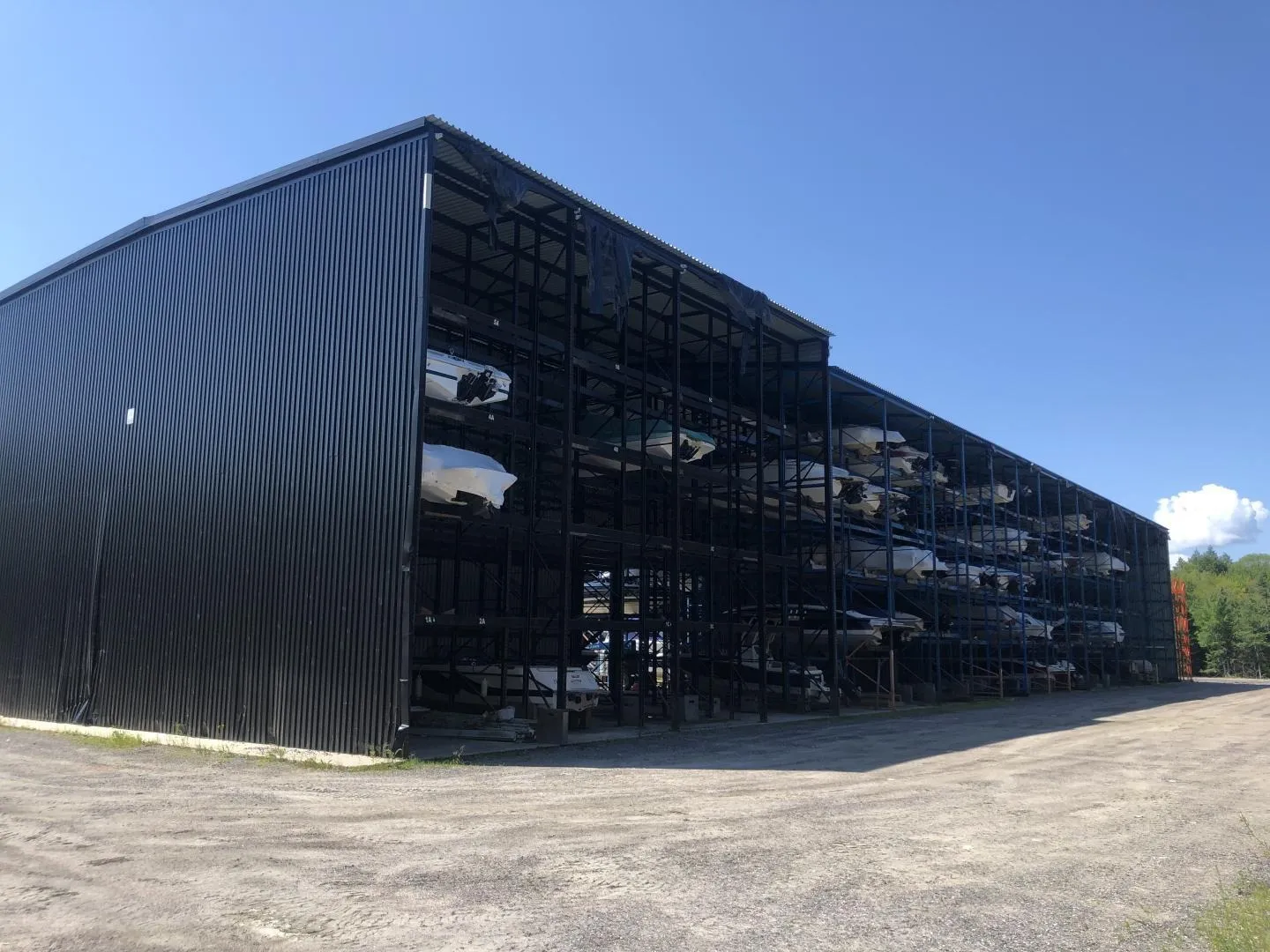
Southwest Florida boat owners already know the rhythm: pleasant winters, spectacular springs, and then — June arrives. The Atlantic hurricane season runs officially from June 1 through November 30, according to the National Hurricane Center (NOAA), with peak activity concentrated between mid-August and mid-October. For vessels docked along the Naples or Marco Island waterfront, that five-month window is the single biggest threat to your investment.
The most important thing to understand about storm preparation is that the time to decide where your boat lives during a hurricane is before a storm is named — not after. Once a watch or warning is issued, storage facilities fill up, roads get congested, and options narrow fast. Inland, gated dry storage is consistently recommended by boating safety organizations as one of the most protective choices for trailerable vessels. This guide walks through your real options, a practical prep checklist, and what to look for in boat storage in Naples, FL before the season heats up.
Where to Keep Your Boat During a Hurricane
Not all storage solutions are equal when a Category storm is bearing down on the Gulf coast. Here is a straightforward breakdown of the three main options most SWFL boaters face:
Option 1: Leave It in a Slip at a Waterfront Marina
This is the most common default — and often the riskiest for boats in Southwest Florida. Naples and Marco Island sit on a low-lying Gulf coast that is, according to NOAA’s National Storm Surge Risk Maps, extremely vulnerable to storm surge due to the wide, flat continental shelf offshore and low-elevation land extending well inland. Hurricane Irma made landfall directly on Marco Island at 112 mph sustained winds. Hurricane Ian struck as a Category 4 at Southwest Florida’s coast, producing catastrophic surge. Hurricane Helene in 2024 caused 30+ inches of flood depth in parts of Naples.
At a waterfront slip, your boat is in the surge zone. You can mitigate — double all lines, attach them high on pilings to account for surge height, remove canvas and gear — but you cannot eliminate the exposure. Storm surge can float boats off their trailers, snap pilings, and turn docked vessels into projectiles.
Option 2: Trailer It Home or to a Residential Property
Trailering your boat away from the water is a meaningful improvement over leaving it dockside. But residential storage carries its own risks: falling trees, overhead power lines, ground saturation that can topple a heavy trailered vessel, and HOA rules that prohibit storing a boat on a driveway or lot for more than a few days. It also keeps your property exposed in a potentially flooded neighborhood.
Option 3: Dry, Inland, Gated Storage
Purpose-built, inland vehicle storage facilities are a different category. By moving your boat away from surge-prone waterfronts and into a secured, gated compound, you put distance between your vessel and the storm’s most destructive water-based effects. This is the approach recommended by organizations like BoatUS for trailerable boats: get the vessel off the water, move it inland, and store it on high, stable ground away from trees and wires.
For boaters in Collier County, that means looking for hurricane boat storage near me that is inland and purpose-built — not a residential lot or a standard self-storage unit.
Boat Hurricane Prep: A Pre-Storm Checklist
Whether you move your boat or secure it in place, these steps apply before any storm threatens. This checklist is drawn from guidance published by Chubb Insurance and America’s Boating Club / USPS:
Documentation (do this first, before the season)
- Photograph every side of the vessel, inside and out, and store copies off-site or in the cloud.
- Locate your insurance policy, registration, and any recent survey — keep them in a waterproof container.
- Confirm your insurance covers named-storm events and review any “lay-up” clauses about where the vessel must be stored.
Prepare the vessel
- Remove all canvas, biminis, dodgers, and covers — they act as sails and dramatically increase wind load.
- Remove or secure all loose gear: dinghies, outboards, fuel containers, cushions, electronics.
- Pull the drain plug if the boat will be stored on land (prevents rainwater accumulation from swamping the hull).
- Charge batteries fully so automatic bilge pumps can run if any water enters.
- Top off fuel or drain it depending on your plan — full tanks resist condensation; empty tanks reduce fire risk. Confirm with your facility which is preferred.
If staying in a slip
- Double all dock lines; run crossing spring lines from bow to stern cleats.
- Attach lines high on pilings to allow for surge-driven water level rise.
- Wrap lines at chock points to prevent chafing.
- Install extra fenders to protect the hull from dock contact.
If trailering to storage
- Block the trailer tires and chock the wheels to prevent rolling.
- Store the vessel on ground that drains well and is away from trees and utility lines.
- Confirm the storage facility has your emergency contact information on file.
Never remain aboard your vessel during a hurricane.
If your boat is stored at an outdoor or covered storage facility in Naples before the season, run through this checklist with the facility’s team well in advance of any named storm threat. An onsite boat mechanic — the kind available at The Hideout Storage Park — can help you confirm the vessel is properly prepped and documented before you leave it in place.
Hurricane Boat Storage in Naples & Marco Island
For Collier County boaters, the practical question is: where specifically?
The Hideout Storage Park at 195 Basik Dr., Naples, FL 34114 is a purpose-built vehicle and boat storage park — not a traditional self-storage company. It is positioned inland from the Naples and Marco Island waterfronts, which is the critical factor when storm surge is the primary threat. The facility serves boat owners throughout Naples, Marco Island, Bonita Springs, and surrounding Collier County — the entire SWFL corridor most exposed to Gulf storm activity.
Practical features relevant to hurricane boat storage florida storage planning:
- Wide drive aisles and turning radius. Getting a large vessel in and out without damage matters, especially when you are working against a storm timeline.
- Outdoor storage from $175–$230/month. Month-to-month options mean you can establish a storage plan for hurricane season without a long-term contract commitment.
- Covered storage from $386–$572/month. Canopies and 30-amp hookups protect against sun and weather exposure during normal storage; the covered configuration also keeps the vessel off open ground.
- Elite Storage Condos for owners who want a deeded, private space for their most valuable vessels.
- Onsite boat mechanic, wash area, and detailing. Post-storm, once it is safe to return, this matters: a mechanic on-site means you can assess the vessel for any storm-related wear without trailering it to an off-site shop.
- 24/7 mobile gate access and AI security cameras. Gated, monitored access means your vessel is not sitting unsecured in an open lot.
If you are researching boat storage naples fl options now, it is worth comparing what a purpose-built park offers against a waterfront slip or a self-storage unit with a concrete slab. The difference in security infrastructure, turn-around space, and onsite services is significant — and those differences matter in a storm preparation scenario.
You can also review our complete pricing guide for boat storage costs in Naples and the full breakdown of where to store your boat near Naples and Marco Island to compare your options.
Why Timing Matters: Book Before the Season, Not During It
The Atlantic hurricane season does not respect anyone’s schedule. When a named storm enters the Gulf of Mexico, storage facilities near the coast receive a surge of calls from boaters who suddenly need a spot. Availability tightens within 24–48 hours of a watch issuance. By the time a warning is posted, most reputable facilities are at or near capacity.
The practical move is to secure hurricane boat storage near me before June 1 — or at the latest, early in the season before any active threats develop. Month-to-month storage makes this straightforward: you are not locked into a year-long contract, and you know exactly where your vessel is going when conditions develop.
Some owners keep their boat at home or in a slip during calm stretches and then scramble when a storm approaches. The issue is that a scramble takes time — transport logistics, availability, payment, paperwork — and storm timelines compress fast. The boat owners who sleep best during storm season are the ones who already have a plan and a reserved spot.
Read our related post on washing and maintaining your boat before storage to make sure your vessel is in the best condition before it goes in for the season.
If you also store an RV, our “How Much Does RV Storage Cost in Naples, FL” post covers pricing and what to expect.
Frequently Asked Questions
Where is the safest place to keep a boat during a hurricane?
The safest option for most trailerable boats is inland, dry storage at a secured, gated facility away from surge-prone waterfront areas. Moving your vessel off the water and away from marinas eliminates storm surge exposure — the primary cause of catastrophic boat damage during Gulf hurricanes. For SWFL owners, that means looking for an inland facility in Collier County rather than relying on a waterfront slip.
When should I arrange hurricane boat storage in Naples?
Ideally before the Atlantic hurricane season begins on June 1, per the National Hurricane Center (NOAA). At minimum, arrange your plan early in the season before any active storms develop. Waiting until a storm watch or warning is issued risks losing availability — demand spikes within 24–48 hours of a named storm entering the Gulf.
Can I prepare my boat for a hurricane and leave it in a slip?
You can reduce risk by doubling dock lines, attaching them high on pilings to account for storm surge, removing canvas and loose gear, and fully charging batteries for bilge pumps. But waterfront slips in Naples and Marco Island are in a storm surge zone, and these measures reduce rather than eliminate the exposure. For trailerable vessels, moving to inland dry storage is a more protective decision.
What should I remove from my boat before a hurricane?
Remove all canvas (biminis, dodgers, covers), loose gear, outboard motors, fuel containers, cushions, and any electronics you can safely disconnect. These items either create wind-sail load on the vessel or become projectiles. Pull the drain plug if the boat will be stored on land. Keep essential documents — registration, insurance, photos of the vessel — in a waterproof container off the boat.
Does The Hideout Storage Park have space for boats during hurricane season?
The Hideout Storage Park at 195 Basik Dr., Naples, FL 34114 offers outdoor storage, covered storage, and Elite Storage Condos for boat owners across Naples, Marco Island, and Collier County. The facility is purpose-built for vehicle storage with wide drive aisles, AI security cameras, 24/7 mobile gate access, and an onsite boat mechanic. Call (239) 213-8029 or contact us online to check current availability. Book before season to guarantee your spot.
Ready to Secure Your Spot Before the Season?
If you are looking for hurricane boat storage in Naples or Marco Island, the time to act is before a storm is named. Browse our storage options, explore our service area coverage, or reach out directly.
The Hideout Storage Park 195 Basik Dr., Naples, FL 34114 Phone: (239) 213-8029 Contact us online
Serving Naples, Marco Island, Bonita Springs, and Collier County. Secure your vessel at a purpose-built storage park — not a traditional self-storage company. Learn more about the Florida sun and how it affects stored vehicles and why covered options matter for long SWFL storage seasons.
