

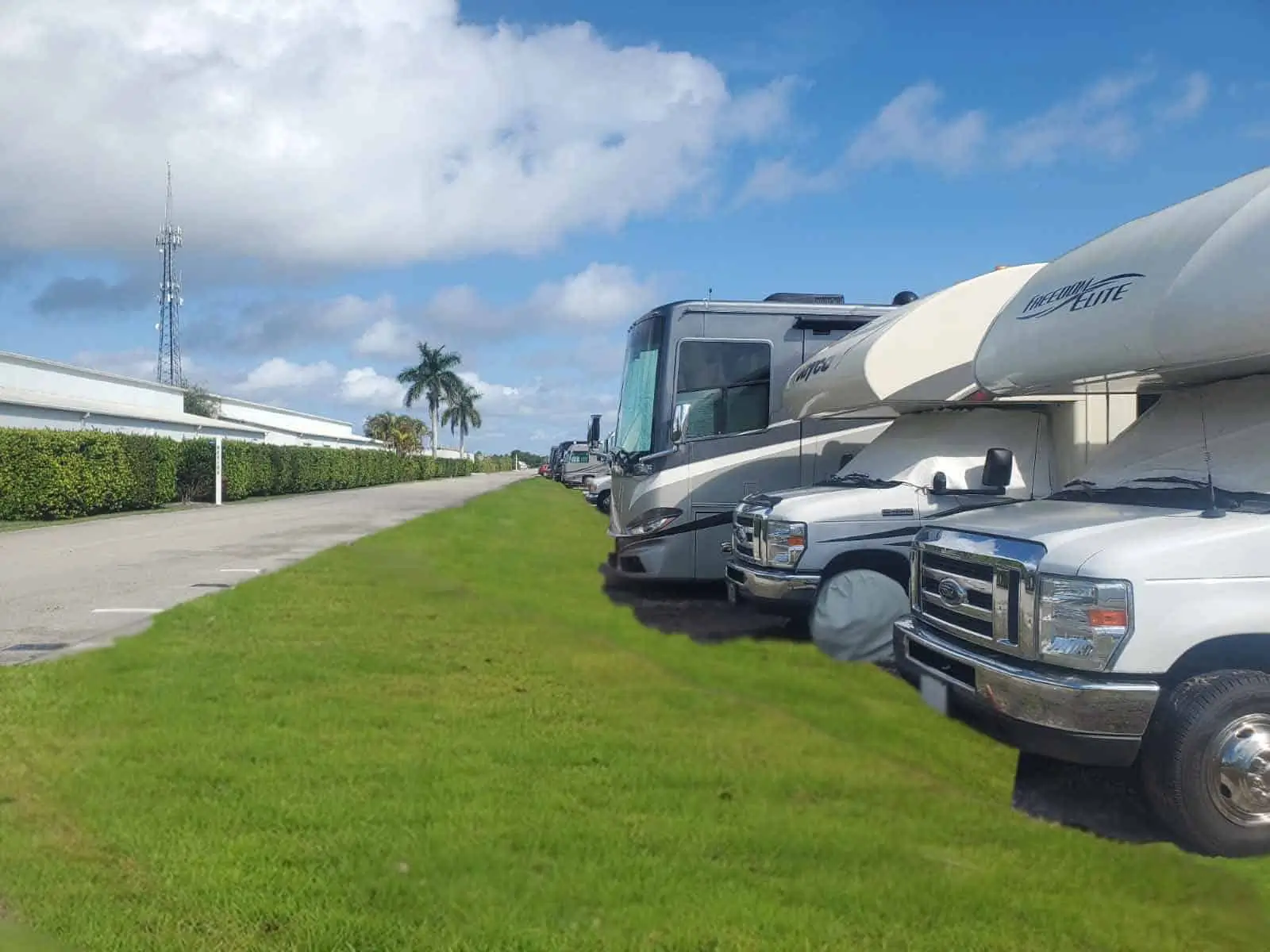
Trailer sway is the side to side fishtailing that builds as speed rises, and it is nearly always a weight problem rather than a hitch problem. Too little weight on the tongue is the usual cause. If it starts, ease off the throttle, hold the wheel straight and do not brake hard with the tow vehicle. Fixing the load, and keeping the rig and its trailer in good order, prevents almost all of it.
Sway is the failure mode that turns a routine tow into a crash, and it is also the one most owners never think about until it happens on a bridge at 65. The good news is that it is predictable physics, which means it is preventable with a tape measure and a bit of care about where things sit.
What is the main cause of trailer sway?
Too little weight on the tongue. When the load sits too far back, the trailer’s center of gravity moves behind its axle, and the whole thing starts to behave like a pendulum hinged at the hitch ball. Wind, a passing truck or a steering correction gives it a push, and instead of settling it swings further each time.
The general towing convention is to carry roughly ten to fifteen percent of the trailer’s loaded weight on the tongue, with the heaviest items over or slightly ahead of the axle and nothing heavy hanging off the back. A cooler and a generator loaded behind the axle of a short trailer can be enough on their own to change its behavior.
Three other causes come up often. Speed, because sway energy rises sharply with it and a rig that is stable at 55 can be marginal at 70. Under-inflated trailer tires, which let the sidewalls flex and add their own wobble. And a tow vehicle that is too light or too short in the wheelbase for the trailer behind it, which no hitch fully fixes.
What do you do when a trailer starts swaying?
Ease off the accelerator, keep the steering wheel straight and let the rig slow itself. Do not steer against the sway, because your correction usually arrives out of phase and makes the next swing bigger. Do not stamp on the tow vehicle’s brakes, which shifts weight forward, unloads the rear and makes it worse.
If the trailer has electric brakes, applying the trailer brakes alone with the manual lever on the brake controller is the one input that actively helps, because it pulls the trailer straight from behind. Most drivers never practice finding that lever, which is worth doing in a car park once rather than hunting for it at 65.
Once it settles, pull over somewhere safe and find out why. Sway is a symptom. Re-check the tongue weight, the tire pressures and whether something shifted in the load. Carrying on at a lower speed and hoping is how people arrive with a problem still in the trailer.
Do you need a trailer sway control hitch?
A sway control or weight distribution hitch genuinely helps on heavier trailers, especially travel trailers and fifth wheels with a lot of surface area, but it is a second line of defense rather than a fix for a badly loaded trailer. Load the trailer right first, then add hardware if the rig still needs it.
Trailer sway control works in two broad ways: friction devices that resist the trailer pivoting, and weight distribution systems that transfer some tongue load back onto the tow vehicle’s front axle and the trailer’s axles. Many setups do both. What none of them do is move your cargo forward, which is why a hitch is not a substitute for loading correctly.
If you tow a heavy travel trailer or a fifth wheel regularly, the hardware is usually worth it. For a jet ski trailer or a small utility trailer, correct loading and sensible speed do the whole job. Our guide to travel trailer and fifth wheel storage covers the sizing side, and trailer storage in Naples covers the trailer-only case.
How do you load a boat trailer so it tows straight?
Set the boat so the bulk of its weight sits over or just ahead of the trailer axle, then check the tongue weight before you add anything else. Fuel, batteries, anchors, coolers and gear all change it, and a boat that tows beautifully empty can sway with a full tank and a loaded fish box.
A few boat-specific habits help. Keep heavy gear forward in the boat rather than in the stern locker. Make sure the boat is winched fully forward against the bow stop so it cannot shift rearward under braking. Check that the bunks actually support the hull where they should, because a boat sitting wrong on the trailer loads the axle wrong too.
Then check the trailer itself, because sway and poor towing often trace back to hardware rather than loading. Bearings, tires and brakes on a trailer that gets dunked in salt water need a real routine, which we cover in boat trailer maintenance in saltwater country. Tire condition matters twice over here: trailer tires usually age out before they wear out, and a cracked sidewall at speed is its own emergency.
Does the storage bay have anything to do with it?
Indirectly, yes, in that where the rig lives determines how easy it is to load properly and how good the tires are when you leave. A rig parked somewhere with room to walk around it, light to see by and power to run a compressor gets checked. A rig wedged into a tight space in a dark lot gets hitched and driven.
The Hideout has wide drive aisles, 24/7 access through a mobile gate app, gated entry and AI-powered security cameras, with 30 amp electric on the covered bays and room on the outdoor spaces for oversized rigs. The facility was named Toy Storage Nation’s Facility of the Month in March 2026. There is also an onsite wash area, an onsite boat mechanic, detailing and electrical work. We serve Naples, Marco Island and Bonita Springs, listed on the service areas page.
Getting the rig in and out of that bay cleanly is its own skill, and we wrote the method down in how to back up a trailer into a storage bay.
A pre-tow check that takes four minutes
Tongue weight roughly right and the heavy items forward. Tire pressures cold, at the number on the sidewall, on all trailer tires and the spare. Coupler latched and pinned, safety chains crossed under the tongue, breakaway cable attached to the vehicle and not to the chains. Lights working, all of them. Load secured so nothing can slide rearward under braking.
Then drive the first few miles at moderate speed and pay attention. A rig that feels slightly loose at 55 will feel dangerous at 70, and the first few miles are where you find out for free.
Frequently asked questions
How do I stop my trailer from swaying?
Ease off the accelerator, hold the steering wheel straight, and if the trailer has electric brakes apply them alone with the manual lever on the controller. Do not countersteer and do not brake hard with the tow vehicle. Once stopped, fix the cause: usually too little tongue weight or a load that sits too far back.
At what speed does trailer sway start?
There is no single speed, because it depends on the load, the hitch, the tow vehicle and the conditions. What is consistent is that sway energy rises with speed, so a rig that feels marginal at 55 becomes genuinely dangerous higher up. If you can feel movement at all, slow down and fix the loading rather than finding the threshold.
Should trailer sway control be on or off?
If you have a sway control device fitted, it should be connected and set up whenever you tow, with one exception: many friction-style units should be disconnected when reversing or on a slippery surface, because they resist the pivoting you need. Check the manufacturer’s instructions for your specific unit.
Can tire pressure cause trailer sway?
Yes. Under-inflated trailer tires let the sidewalls flex, which adds its own wobble and makes the trailer less willing to track straight. Check pressures cold against the number molded on the sidewall, on every trailer tire including the spare, before every trip rather than once a season.
Does a weight distribution hitch stop sway on its own?
Not on its own. A weight distribution hitch moves load onto the tow vehicle’s front axle and improves how the rig sits, and many are sold with sway control built in, but none of it relocates cargo that is sitting too far back. Load the trailer correctly first and treat the hitch as a second line of defense.
Keep the rig somewhere you can load it properly
The Hideout Storage Park has covered and outdoor bays, wide aisles, power and 24/7 access at 195 Basik Dr., Naples, FL 34114. Call (239) 213-8029 or contact us to check availability, or browse all storage options.
